
Leather Care & Guides
Is Lambskin Real Leather? Everything You Need to Know Before Buying
Jul
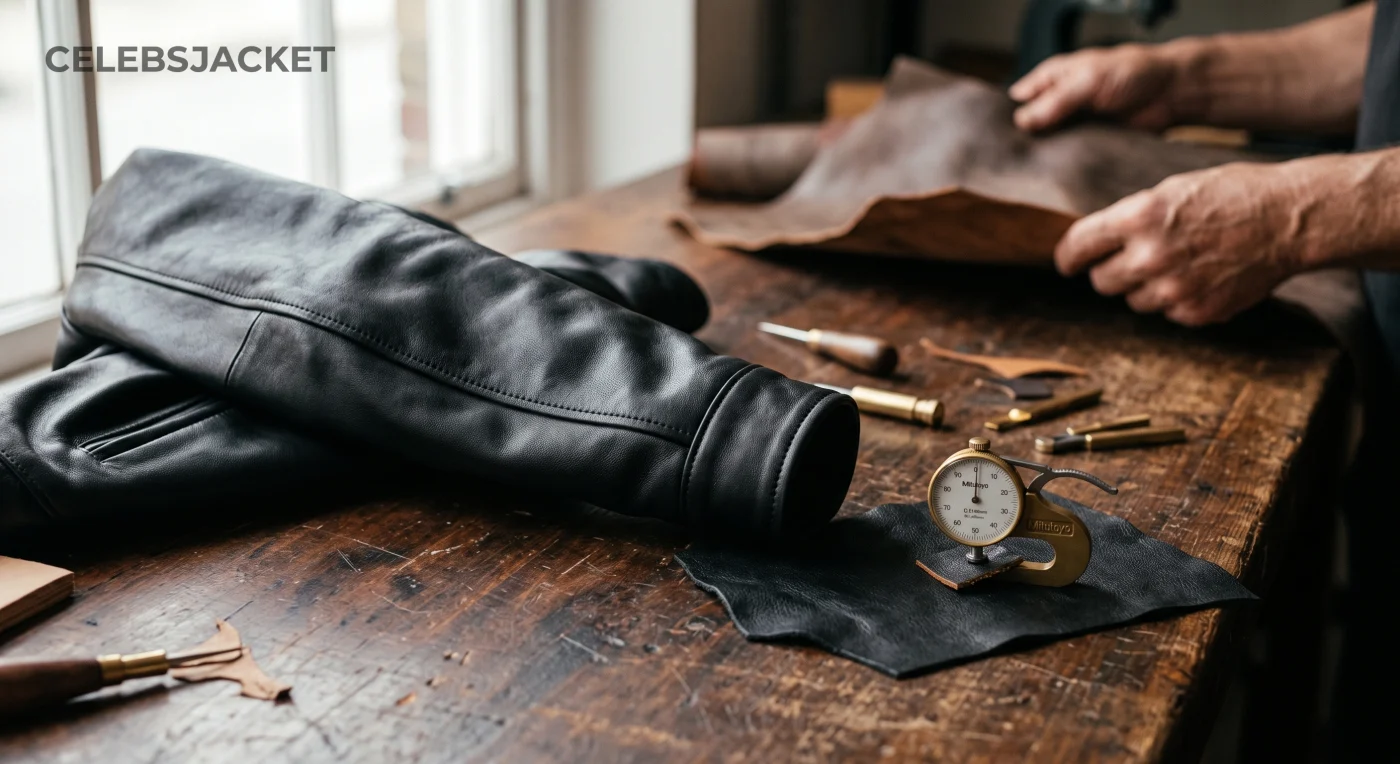
Raise this query in any discussion thread, and you’ll come across hundreds of people having their doubts about it. The texture of lambskin seems incredibly smooth, making it difficult to imagine that such leather could be used for a tough biker jacket. However, it is indeed real leather tanned from the skin of a young lamb. This kind of leather has served as the basis for all of our biker jackets manufactured by CelebsJacket ever since 2013. Let’s learn more about this material, the ways to spot it on your own, and more.
WHY SO MANY PEOPLE DOUBT LAMBSKIN
There are three reasons behind the skepticism. First, the feeling of leather. A person raised on tough cowhide belt leather will think of leather as being tough, whereas lambskin will feel more like a glove. Secondly, there is an abundance of synthetic leather products in the marketplace – they are known as vegan leather, PU leather, or leatherette – which made consumers wary of any soft leather. Thirdly, labels do not make things easier. If the label declares a material to be genuine leather, you would believe it until you learn what the grading system is about, because that term is often associated with the lowest grades of leather.
WHAT LAMBSKIN LEATHER ACTUALLY IS
Lambskin is produced from the skins of sheep, which have been slaughtered when they were just a year old; this is a byproduct of the food industry. The skin obtained from a young animal is thinner, has smaller collagen fibers, and contains more lanolin, the oil responsible for the greasy feeling of the raw wool. These are almost all properties of the material which we observe – the lightness, the fine grain, and the ability of the sleeve to be folded over an arm as a fabric.
This process of processing the skin is similar to that used for cowhide. The raw skin is cleaned, preserved using tanning chemicals, softened with oil, colored, and finished. None of this changes the nature of the leather.
HOW TO VERIFY THE AUTHENTICITY OF LEATHER
Our quality control manager, Daniel H., has been examining skins for over fourteen years, and he examines every hide that comes to us before it gets to the cutting machine. You can adopt most of his techniques without any tools.
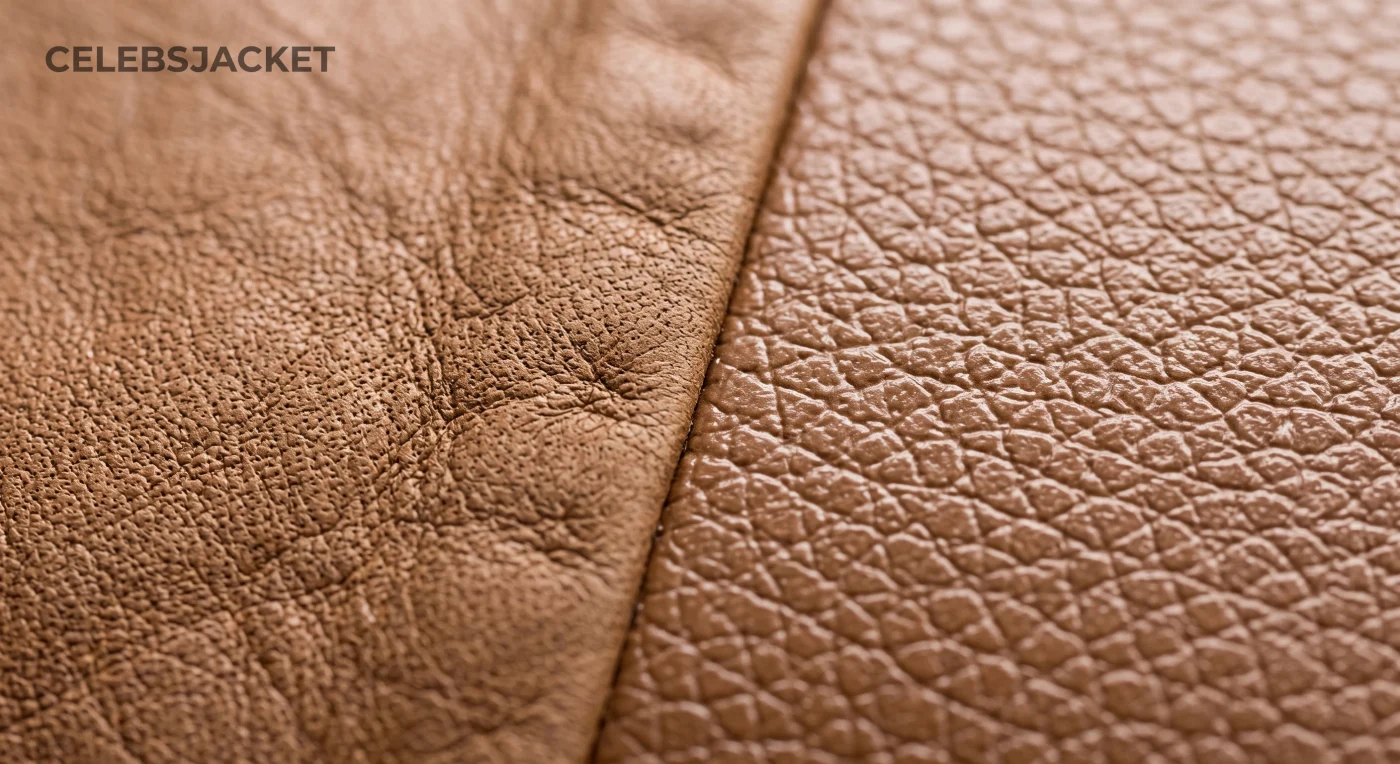
- Examine its texture. Real leather has tiny pores in a somewhat random pattern, since there are no animals that have regular skin. The grains of printed fake leather repeat endlessly like wallpaper.
- Rest your palm against it. Hide warms to the touch almost instantly, while artificial leathers remain cold and sticky.
- See the underside of it. The inside surface of the real leather is made of fibers similar to suede. Fakes will most likely have either a textile backing or some foamy substance.
- Sniff it. Hide has a specific scent – it smells like skin mixed with various chemicals used in the process. A distinct smell of plastic or glue means you are holding something artificial.
- Create a fold. The natural leather will crinkle just like the skin of your knuckle and smooth after. The coating of fake leather forms a clear crease.
- Make a test using water. Drop it secretly onto an unused part of the material. If it is natural leather, the water will be absorbed, and the leather will darken for a second. Highly finished leathers may not absorb water.
One test we definitely do not suggest is the flame test. Indeed, leather burns while plastic melts, but it makes little sense to damage a cuff in order to make sure that it is not counterfeit. Moreover, such a test violates any return policy, including ours.
HOW TO TELL LAMBSKIN LEATHER FROM OTHER LEATHERS
As soon as you have found out that you have a genuine leather product in your hands, you will have to distinguish between different species. Cow leather is rather heavy and hard; its grain is clearly visible, and the body of a brand-new leather jacket is able to stay nearly vertical on a chair. Goatskin leather has raised pebble grains, which can be felt with your fingertips. Sheepskin leather is thicker than lambskin, and it is usually tanned together with the wool. Lambskin is the lightest type of leather: small pores evenly distributed all over the surface, smooth to the touch, and an entire jacket, which weighs around one kilogram in comparison with a two-kilogram cowhide leather jacket.
The quickest field test is the drape test. Try to hang the sleeve on your arm. Lambskin drapes around your arm. Cowhide bridges above it.
WHAT MAKES GOOD LAMBSKIN VERSUS BAD LAMBSKIN
There’s not much difference between quality in terms of the animal species and three other factors: cut, thickness, and finish of the hide.
First comes cut, or grade. Full-grain leather maintains the complete natural surface of the hide. Top-grain leather is sand-blasted for consistency and retains its integrity, though not quite all of its strength. Below these come corrected and bonded leathers, in which pieces of leather are glued together and covered. These are indeed leathers, though they crack and peel within two seasons. Our leather jackets are made from top-grain leathers, preferably those tanned by tanneries adhering to standards set out by the Leather Working Group.
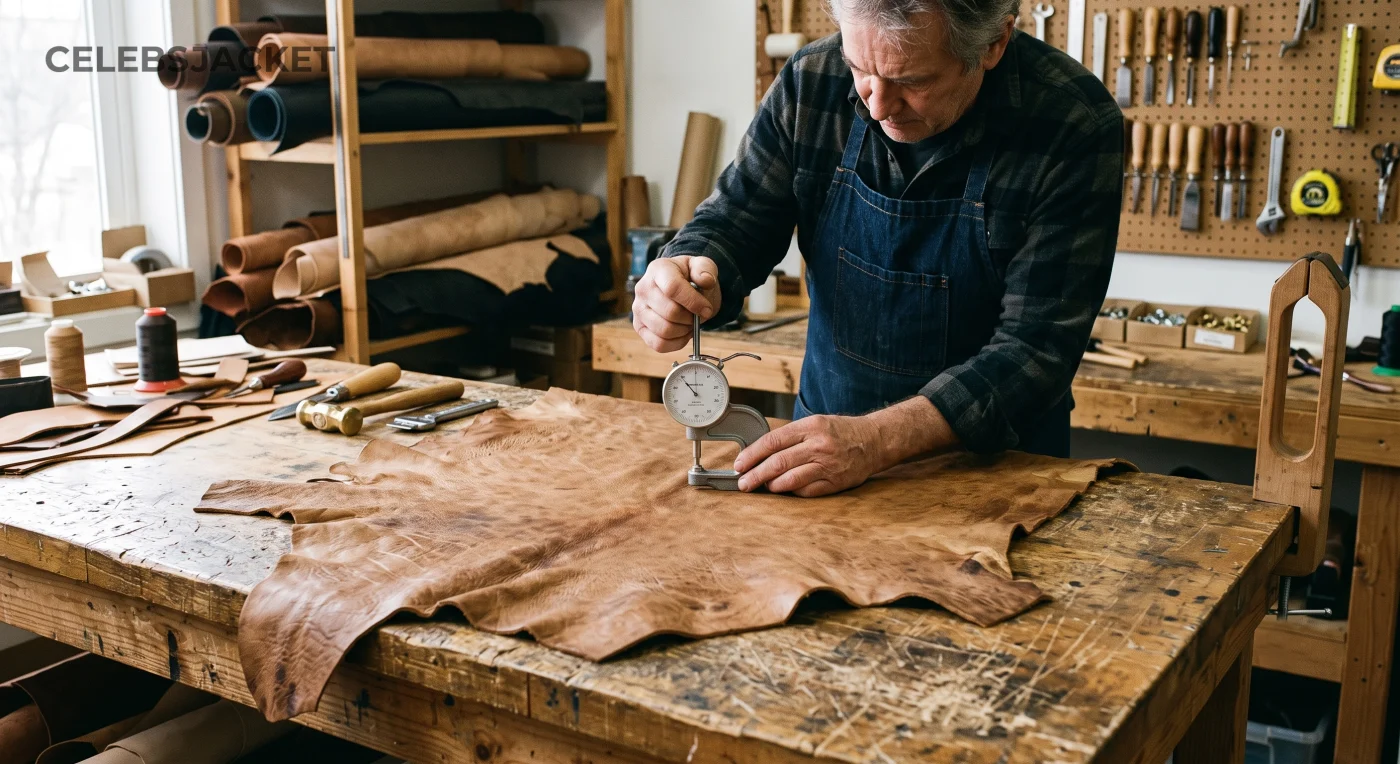
Thickness is the statistic you will never see quoted on a product page. Most fashion lamb leather is skived down to a range between 0.5 and 0.8 millimeters, which may be pleasant to the touch when you try it in the shop, but which wrinkles under strain. We specify our lamb leather to be in the range of 0.9 to 1.0 millimeters, thick enough to carry a shoulder seam and withstand several years of repeated zipping, but still thin enough to wear over a shirt.
The last test for honesty is the finish. No lamb is born with jet-black skin. Everything you see, even the black colors, has come from the dyeing process in the drum and the finish applied to the skin, and the amount of shine has been selected in the tannery. A natural aniline finish will show you the natural leather grain in a glow. The pigmented finish will give it a more even finish, and can be slightly shinier. Neither finish is a cheat. The trouble starts when a thick finish coat is applied over a bad skin base.
FROM WHAT SOURCES DOES LEATHER COME, AND THE SIGNIFICANCE OF THIS INFORMATION
In terms of production, China produces more leather than any other country. It is Italy that has a long-standing tradition of excellence regarding leather finishing; its tanneries provide many brands with their leather products. Together, Pakistan and India are among the largest leather garment regions; Sialkot, Karachi, Kanpur, and Chennai are famous for tanning factories producing sheep and goats’ leather throughout the centuries. Spain is known for its fine lamb nappa, while Australia provides a substantial number of hides.
This does not mean that the origin guarantees or precludes the quality of leather, though. The problem lies in the low end of the market, where anonymous goods are manufactured using whatever hide proved to be cheapest that week, without indication of species, grade, or measurement in the product description. Trade research revealed that low-quality products from unusual skin types, including donkeys, were being purchased by people who did not realize what they were buying. How can we protect ourselves? We should buy from vendors who will indicate in the description the type of animal, its grade, and the millimeter measurement.
IS LAMBSKIN BETTER THAN CALFSKIN?
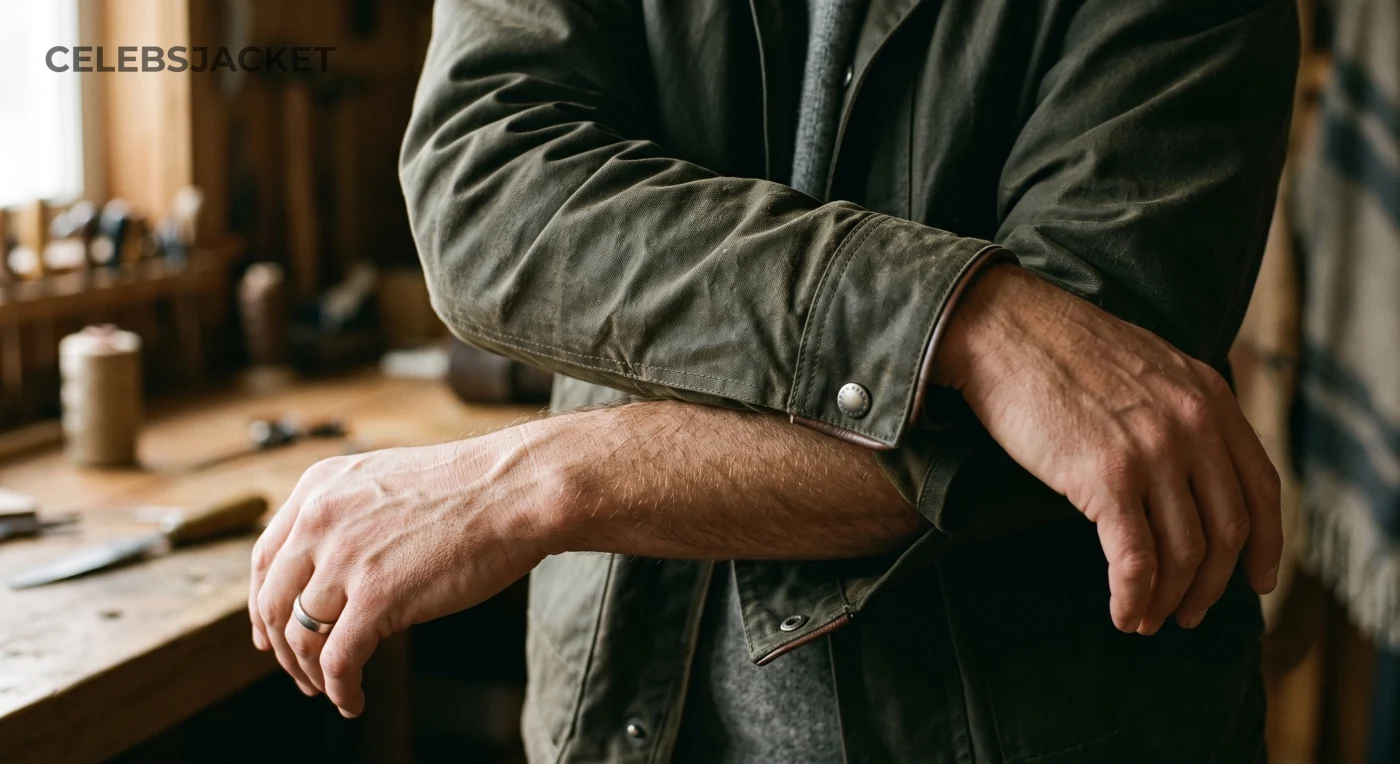
No clear winner in this case since they offer different benefits. While calfskin, obtained from young calves, is heavier, more durable, and able to acquire a patina after years of wearing, it is also able to maintain its shape. That’s why calfskin is preferred for boots and more rigid motorcycle clothing. Lambskin is more lightweight, more flexible, and drapes closer to the body, making it an obvious choice for fashion jackets and blazers, and anything you plan on wearing for eight hours non-stop. Calfskin justifies the added weight if your jacket will be subjected to constant abrasions and scrapes, but if your priority is comfort and drape, choose lambskin.
LIVING WITH A LAMBSKIN JACKET
These are the most common questions we get answered from our support service.
- WHAT HAPPENS IF LAMBSKIN GETS WET?
It won’t rot with rain. Simply wipe the moisture off using a dry cloth, then hang your jacket on a broad hanger to air dry away from heat sources, such as radiators and direct sunlight. What’s dangerous is the heat, because it literally cooks all the natural oils right out of the material, making it brittle. After drying, apply a leather conditioner to bring back what the water took out. - CAN ONE WEAR LAMBSKIN IN THE SNOW?
Wearing it in light, dry snow is alright as long as it’s brushed off before melting in. However, slush, road salt, and prolonged exposure are the true dangers, as they leave white spots, and excessive moisture causes stiffness of the hide. A water repellent spray for leather is a good initial line of defense during winter. And in case of blizzard weather, switch to technical outerwear for the occasion. - WILL LAMBSKIN MAKE YOU WARM?
It does an excellent job of blocking the wind, which is most of what a city jacket is expected to do, but the hide itself is fairly thin, so the warmth has to be provided by the liner and other layers. In fall and on mild winter days, a lambskin jacket worn over a sweater is quite comfortable. As soon as the temperature drops to freezing, add some knitwear or go for a jacket that has a quilted or shearling lining. - DOES LAMBSKIN LEATHER SMELL?
The tanned lambskin leather has a slight earthy smell that dissipates in the first weeks of use. This smell should not be too strong. An extremely strong chemical smell that persists for more than a month and lingers in the room means poor-quality finishing chemicals were used in the process. - WHY DOES LEATHER SMELL LIKE FISH?
The fishy smell comes from the use of raw fish oil that is not filtered and helps soften the hides cheaply. As the fish oils oxidize and go bad, they produce a smell a few weeks after you buy the leather goods. This is because the oils penetrate the leather deeply, and thus the smell cannot be gotten rid of. Other sources of smells include plasticizers from artificial leather and mildew due to wet storage. The fishy-smelling leather should only raise your alertness. - DOES LAMBSKIN RIP EASILY?
Not under normal circumstances, assuming that the skin is thick enough. The fibers of the lamb have enough elasticity considering their weight. That’s precisely why the leather can be made as thin as possible. Lambskin tears less easily compared to cowhide, but it scratches more easily. You shouldn’t put your keys in the same pocket where your jacket is, and you should avoid prickly bushes. It’s a fashion hide, and hence riders need to wear protective gear when riding motorbikes. - HOW LONG DOES LAMBSKIN LEATHER LAST?
Ten years is a conservative minimum for jackets that are more than 0.9 mm thick with just ordinary maintenance, and there are many more that last much longer. The material lasts longer than fashion. What generally causes premature death of the jacket is heat exposure, failure to fix a damaged zipper, or lack of conditioning over a period of time. - IS LAMBSKIN LEATHER DIFFICULT TO TAKE CARE OF?
Not really. Just wipe away the dust with a slightly moist cloth, treat the leather with conditioner twice or thrice a year, hang it on a broad, well-shaped hanger in an adequately dry place, and avoid using plastic garment bags to keep it in. This is all you need to do. It requires less effort than taking care of a wool coat.
WHAT BUYERS SAY AFTER THE PARCEL ARRIVES
We have shipped our jackets to over one hundred countries since 2013, and, at present, our store’s profile on CelebsJacket REVIEWS.IO boasts an average star rating ranging from 4.0 to 4.54 based on reviews left by verified customers. Here’s one example of the reviews left by one of our loyal customers, named Simon Bertelsen that explains the quality of the lambskin jacket much better than any specification list would do:
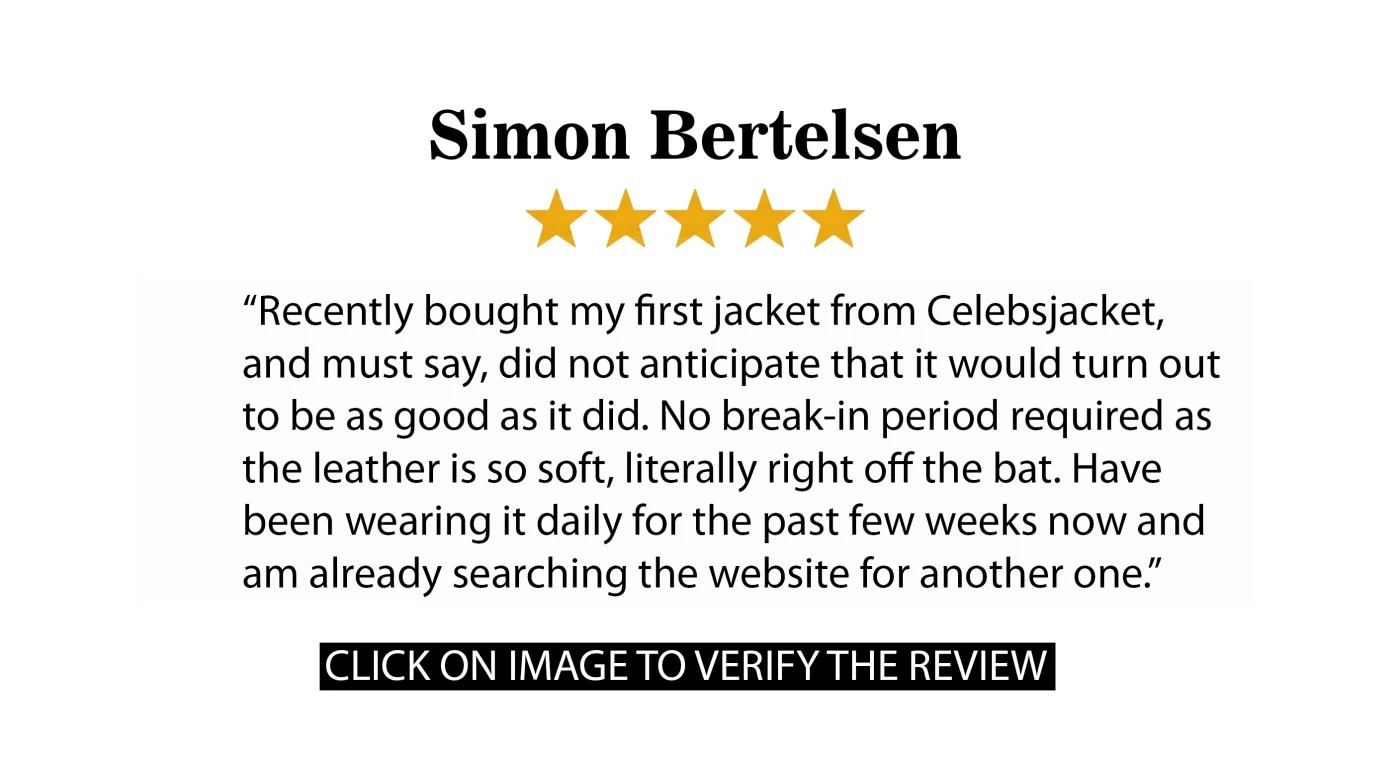
Please check out his review and the other reviews on our store’s profile page. We would prefer you to go for an independent opinion instead of trusting the manufacturer.
QUICK ANSWERS TO THE QUESTIONS WE HEAR MOST
- IS LAMBSKIN LEATHER HIGH QUALITY?
Yes, if the grade and thickness are correct. Full grain and top grain lambskin leather that is 0.9 millimeters or thicker is a very high quality leather material used throughout high fashion. Lambskin leather that is thin, corrected, or bonded leather under the same name isn’t. Look at the grade, not the species. - IS LAMBSKIN LEATHER EXPENSIVE?
More expensive than average cowhide per square foot because lambskin hides are younger, smaller, and finer, producing less usable leather. The grade, thickness, and reputation of the tannery will affect the price even further. We’ve been buying hides in volume since 2013, which keeps jacket prices much lower than the same grade leather would be at boutique brands. - WHAT DOES LAMBSKIN LOOK LIKE?
The lambskin is characterized by a smooth and tight surface, tiny pores regularly arranged on it, soft shine instead of a hard gloss, and noticeable thinness around edges and seams. When you fold a sleeve of the jacket, it will collapse easily instead of staying in the form of a tube. - IS LAMBSKIN LEATHER SHINY?
There is a natural shine of the lambskin due to the fine grain of the leather, but the mirror shine always indicates an additional finish that is applied in the tannery. There is matte aniline and pigmented finish of this leather; both of them have their pros and cons. - DOES LAMBSKIN LEATHER STRETCH OVER TIME?
Yes, lambskin is slightly stretchable; it relaxes and adapts to the wearer’s body after a couple of wearings. It will not grow a whole size, so choose the real one according to the size chart instead of choosing smaller sizes. - IS LAMBSKIN LEATHER VEGAN?
Absolutely not! As mentioned above, lambskin is leather derived from animal skin. If you want to enjoy the leather jacket without wearing any animals, we have leather alternatives in stock. These jackets feature the same hardware and stitch patterns with various styles. - HOW CAN YOU BE SURE BEFORE YOU ORDER FROM OFFICIAL LEATHER JACKET STORE?
All of our products mention their materials on each product page, our customer service at info@celebsjacket.com knows all about our products’ specifications, and in addition, our return/exchange policy protects you after receiving the order.
THE VERDICT Lambskin is real leather, period, and when it is of appropriate quality and thickness, it is also one of the most comfortable substances to make a jacket from. The bargain being, that this leather needs to be taken good care of – it will scratch easily compared to cowhide and is not fond of hot conditions and salty environment, but in return it offers softness from day one and shape improving each month. If you find yourself liking this sort of bargain, browse our men’s leather jackets and women’s leather jackets, learn more about us on the About Us page, and purchase the desired style.
