
Trends
How to Layer Jackets in Winter: Leather, Wool, Fleece, and Beyond
Sep
How to Layer Jackets in Winter: Leather, Wool, Fleece, and Beyond
The right winter look doesn’t require purchasing only one thick jacket. The key is in combining layers correctly. Leather, wool, and fleece each have a particular function within the layers. In combination, they are much more efficient in trapping heat compared to just wearing a single jacket. This guide presents a clear approach to creating layers of your winter jacket. You will learn what materials need to be used for particular layers. Additionally, you will find actual formulas for various temperature conditions.
Quick Answer: The Winter Jacket Layering Formula
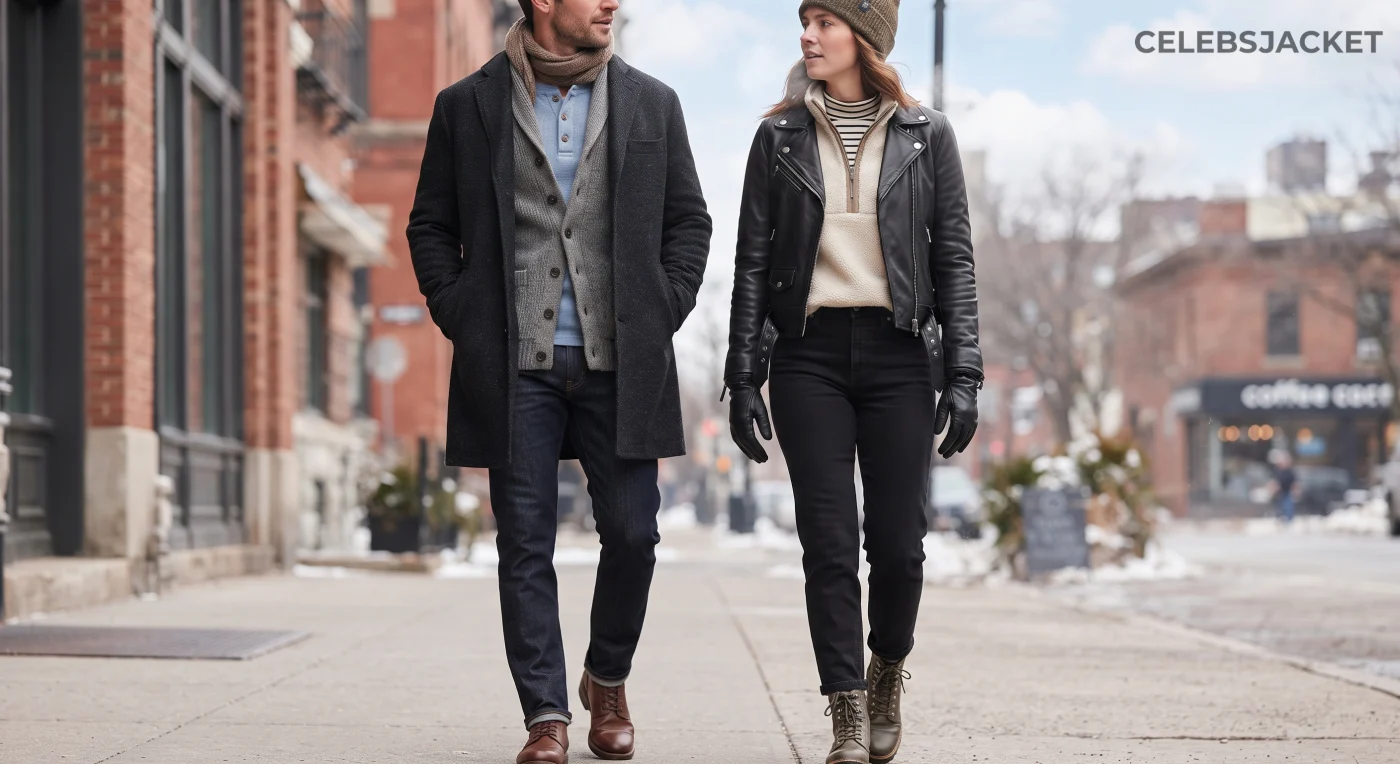
The strong winter attire consists of three layers of clothing. First, put on a lightweight base layer directly on your skin. Then, use an insulating layer, such as fleece or a wool sweater. Finish the look with a shell layer, such as a leather jacket or wool coat. Adapt the thickness of each layer depending on the climate.
Why Jacket Layering Works Better Than One Heavy Coat (H2)
Trapped air between layers of clothing provides warmth. It is so because that air warms up as soon as it becomes trapped. One outerwear alone does not work in providing such a benefit. The benefit of layering is that you have room for adjustment when the temperature fluctuates during the day. You cannot add another coat under a heavy coat inside the house, for example. This makes layering better than one thick winter coat. Layering allows wearing different materials together to make a more fashionable look. Finally, layering gives much more flexibility when it comes to moving your arms and shoulders.
The Three Layers of a Winter Jacket System
Each layer in a winter outfit has one clear job to do.
Base Layer: Setting Up for Success
The base layer goes under your clothes closest to your body. You need to look for close-fitting pieces that move moisture away from your body. Thermal shirts or merino wool t-shirts will be perfect for your base layer. This piece is less about keeping you warm than comfortable under all other layers. A wet base layer will make all other pieces feel colder. You should choose your base layer carefully because it influences the performance of your mid layer and outer shell.
Mid Layer: Fleece and Wool for Insulation
Insulation occurs mostly at the mid layer. Fleece jackets provide insulation by trapping warm air in the pile fabric. These jackets stay light and do not create extra bulk underneath your outer shell. Wool sweaters and cardigans also provide insulation in a similar way using natural materials. Wool also continues insulating your body when it becomes a little wet. Varsity jackets combine features of fleece and sweater. They insulate your body using wool in the main part and uses leather to build the sleeves. So, a varsity jacket can serve as the mid layer. Wear it open under an outer shell.
Outer Shell: Leather, Shearling, and Wool Coats
The outer shell helps protect from winds, light rains, and cold air. Leather jackets like biker and bomber jackets make great shells. Thick leather is more effective than woven fabrics in resisting winds. Shearling and fake shearling lining gives an extra level of insulation to leather shell. This is best when done with shearling bomber/aviator jacket. Wool overcoats provide a more fashionable outer garment for winter months in cities. Check out the men’s leather jacket collection that we have to see the bomber and aviator types of leather jackets.
Other Materials Worth Adding to Your Layering System
Layering materials such as leather, wool, and fleece are just some of the choices available. Layering vests can provide warmth while adding minimal bulk. These pieces go well layered underneath a spacious leather bomber or trench jacket. Flannel shirts make good mid-layer pieces when there is still warmth left in the winter air. Jacket pieces made from corduroy fabric add texture and warmth as part of layering pieces for casual use. See more about our new arrivals featuring puffer and shearling styles.
Winter Layering Formulas by Temperature
Use these simple formulas as a starting point for your own outfit.
Mild Fall Days: 45 To 55 Degrees
A base layer under a leather jacket often works fine here. Add a light scarf once wind picks up later in the day.
Cold Winter Days: 30 To 45 Degrees
Add a fleece jacket or wool sweater as your mid layer. Wear a leather biker or trucker jacket as your shell on top.
Extreme Cold: Below 30 Degrees
Combine thermal underwear, an insulating wool pullover, and a leather jacket with shearling lining. Also wear gloves, a scarf, and a hat to keep all of your skin protected. These layers will be much more effective against the wind chill than each layer on its own.
Windy or Wet Winter Days
The wind and rain require more planning than simply determining what the thermometer shows. Pick out either a leather jacket or tight-woven wool coat that is water resistant. You can wear either a hood or scarf to shield yourself from wind. Avoid wearing cotton clothing when it rains.
Fit and Sizing When You Layer Jackets
Layering means that a leather jacket needs to be tailored differently from how a jacket should be tailored for wearing without layers. A leather jacket which is tailored to be worn with just a bare shirt will end up being too snug with the addition of an additional layer. In case you want to wear layers a lot, think about purchasing a size larger for the jacket. Allow adequate space for the mid layer around the shoulders and the chest area of the jacket. There should also be adequate clearance for movement around the wrist area despite the layers. The jacket needs to have enough room to allow proper movement and air circulation. Our leather jacket styling and care guide covers fit and structure in more depth.
Layering Mistakes That Ruin Your Winter Look
Avoid these common mistakes when building a winter jacket outfit.
- Skipping the base layer. This often traps sweat and feels colder over time.
- Overstuffing a fitted jacket. A thick sweater under a slim biker jacket ruins the fit.
- Mixing too many bulky pieces. A fleece, a sweater, and a puffer vest together create unnecessary bulk.
- Ignoring fabric weight. Heavy wool under heavy leather can feel stifling.
- Choosing style over function. A thin fashion jacket alone will not perform as a true outer shell.
- Forgetting color balance. Clashing tones across three layers can look messy.
Best Material Pairings for Winter Jacket Layering
Some combos work better than others once they are tried out. A fleece jacket combined with a sweatshirt helps you stay warm while being able to move freely. A wool cardigan combined with a leather trench coat is perfect for winter in the city. A turtleneck combined with a shearling collar leather jacket will help you stay warm without adding bulk. Always confirm your outer shell uses genuine top grain leather for real wind resistance. A varsity jacket combined with a sweater can be used when it is very cold outside. For mild weather conditions, replace leather with a lightweight cotton jacket.
Frequently Asked Questions
Can You Wear a Leather Jacket Over a Wool Sweater
Yes. A leather jacket works well as an outer shell over a wool sweater. Just size your jacket up slightly to leave room underneath.
Is Fleece or Wool Better for Layering Under Leather
Fleece is lighter and less bulky under a fitted jacket. Wool holds more warmth but adds noticeably more bulk. Choose fleece for slim fits and wool for extra cold days.
How Many Layers Should You Wear in Winter
Most people need three layers for real winter conditions. A base layer, a mid layer, and an outer shell together cover most situations comfortably.
Can a Shearling Jacket Replace a Mid Layer
Often yes. Shearling linings add built in insulation on their own. You may not need a separate mid layer underneath.
What Should I Wear Under a Leather Jacket for Extreme Cold
Combine a thermal base layer with a thick wool sweater or fleece jacket. Together, these layers trap enough warmth.
Does Layering Work With Faux Leather Too
Yes. Faux leather still blocks wind reasonably well as an outer shell. It simply will not insulate or age quite like real leather.
Do Men and Women Need Different Layering Approaches
Not really. The same three layer system works well for both. Fit and proportion matter more than gender when you choose each piece.
Final Verdict: Build Your Winter Jacket Layering System
Getting dressed in winter requires a little preparation, more than just one thick jacket. You can begin with an undershirt. Then add layers of fleece or wool for warmth. Lastly, you need a durable outer jacket. Leather jackets, shearling jackets, and wool jackets make for a good outer jacket. Change up your layers depending on the change in temperature. After learning about the process, combining different materials comes naturally. Check out our collection to build your own layering system.
